
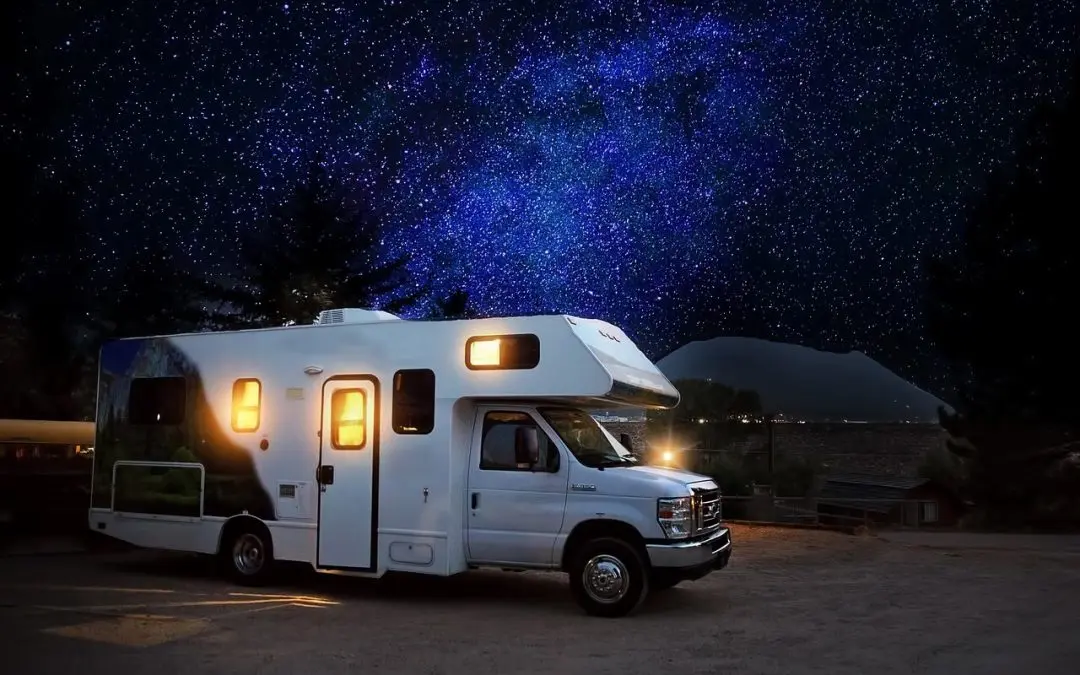
Whether you’re pulling into a campground with full hookups or parking off-grid beneath a canopy of stars, understanding power management is one of the most important skills an RV owner can develop. How you generate, store, and consume electricity in your rig affects everything from whether your refrigerator keeps food cold to whether you wake up with a working air conditioner. Good power management means fewer surprises, more comfort, and the confidence to camp wherever you want, not just where the hookups are.
Understanding Your RV’s Power Management System
Most RVs operate on two distinct electrical systems: a 12-volt DC system powered by batteries and a 120-volt AC system that mirrors what you use at home. The 12-volt system runs lighting, fans, water pumps, and the control boards for appliances. The 120-volt system powers larger loads, air conditioning, microwaves, and outlets for devices, and typically requires shore power or a generator to operate. Understanding which system each appliance draws from, and how much power it uses, is the foundation of effective power management in your RV. A power monitor or battery management system gives you real-time visibility into your state of charge, draw rates, and remaining capacity, tools that are invaluable for making smart decisions about what to run and when.
Know What’s Draining Your Battery
The first step toward smarter power management is knowing where your power is going. Resistive heating elements, like electric water heaters, electric space heaters, and toaster ovens, are some of the largest consumers in any RV. Running them on battery alone drains capacity fast. Air conditioning is the other major draw, typically requiring shore power or a generator because it exceeds what most battery systems can sustain for any meaningful period. LED lighting, USB charging, and fans draw relatively little and are easy to run off battery indefinitely. Learning to distinguish between high-draw and low-draw appliances, and making intentional choices about when to use each, is the practical core of day-to-day power management on the road.
Power Management Strategies for Different Camping Scenarios
Your power management approach should flex based on how you’re camping. On shore power, you have access to the full 30 or 50 amps your rig is rated for, and power management is mostly about not exceeding that rating simultaneously, running the air conditioner and the microwave and the electric skillet all at once can trip a breaker on a 30-amp hookup. Off-grid camping is where disciplined power management pays off most. Solar panels paired with a quality lithium battery bank have transformed what’s possible for boondockers, a well-designed system can sustain comfortable off-grid stays for days with careful use. Run high-draw appliances during peak solar hours, charge devices and batteries during the day, and shift to low-draw mode in the evening. A generator as a backup charging source ensures you’re never left without options when cloud cover cuts solar production. Keeping your batteries healthy is also part of long-term power management. Avoid regularly discharging lead-acid batteries below 50 percent, keep connections clean and tight, and store batteries properly during off-season storage to maximize their lifespan and performance.
G & M Inspections provides RV Inspections and other RV services in Texas. To schedule an RV Inspection or RV services, contact us.