Before you pull out of the driveway and hit the open road, it’s important to make sure your RV is road-ready. A well-prepared RV safety checklist guarantees that you’re traveling safely and confidently. Whether you’re a weekend camper or a full-time RVer, taking time to review your RV before every trip will prevent breakdowns, protect your passengers, and keep your adventures stress-free. An RV is a home on wheels, and just like a house or vehicle, it requires regular maintenance and inspection.
The Foundation of Your RV Safety Checklist
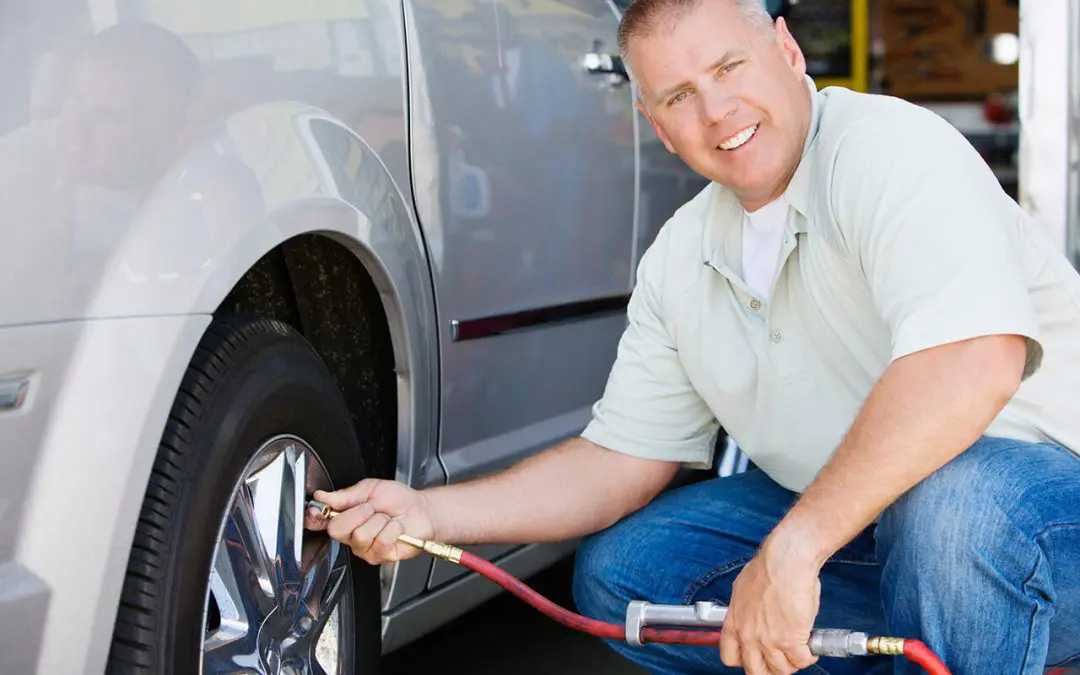
Before you start your engine, walk around your RV and take note of anything that looks out of place. Check the tires for proper inflation, tread wear, and cracks along the sidewalls. Tires are one of the most common sources of trouble on the road, so keeping them in top shape is a must. Make sure all lights, headlights, brake lights, and turn signals, are working properly so other drivers will see your intentions clearly.
Next, inspect your hitch connections or tow bars to ensure they’re secure. Check that your mirrors are properly adjusted for visibility, especially if you’re towing a trailer or driving a large motorhome. Inside, confirm that all cabinet doors, drawers, and appliances are latched and secured for travel. This part of your RV safety checklist may seem routine, but it’s one of the best ways to catch potential issues before they become major inconveniences.
RV Safety Checklist Essentials for a Smooth Journey
Before heading out, test your electrical connections, both shore power and battery systems. Confirm that your generator starts and runs smoothly, and that your outlets and appliances are working properly. Check your propane levels and make sure there are no leaks by applying soapy water to the connections and looking for bubbles. Verify that your fresh water tank is filled, and inspect hoses for cracks or leaks. Drain your water system periodically, especially before your first trip of the season.
Fire, Carbon Monoxide, and Emergency Safety
No RV safety checklist is complete without confirming that all safety devices are in working order. Test your smoke and carbon monoxide detectors, and replace batteries if necessary. Inspect fire extinguishers to guarantee they are fully charged and within easy reach. Keep emergency supplies on hand, including a first-aid kit, flashlight, and basic tools. Emergencies happen unexpectedly, and being prepared will make all the difference in protecting you and your loved ones.
Final Walk-Through Before You Roll
Just before departure, do one last walk-around of your RV. Check that all slides, awnings, and steps are fully retracted. Disconnect and store hoses, power cords, and leveling blocks. Lock all compartments and confirm that nothing is left behind at your campsite or driveway. Running through this final RV safety check every time you travel may seem repetitive, but it builds good habits and guarantees your RV is ready for the miles ahead.
Stay Safe and Enjoy the Journey
A thorough RV safety checklist provides peace of mind. Knowing that your RV is in top condition allows you to focus on what truly matters: the adventure ahead. By making safety part of your routine, you’ll spend less time worrying about what could go wrong and more time enjoying the freedom of the open road. Safe travels start with preparation, and every great journey begins with a well-checked RV.
G & M Inspections provides RV Inspections and other RV services in Texas, New Mexico, Oklahoma, and Arkansas. To schedule an RV Inspection or RV services, contact us.